
ADU Builders in Benicia and Solano County
A fully permitted second unit on your property, built for rental income, family, or the space you need.
Which ADU Fits Your Property
Which path fits depends on your lot, your existing structures, and how you plan to use the space.
Detached New Construction
A purpose built unit in your backyard, designed to fit your lot and function as a standalone home.
Garage Conversion
Turning an existing garage into a full living unit, often the fastest and most cost effective path available.
Junior ADU
A smaller unit built within your existing home, ideal for a compact rental or space for family nearby.
Legalizing an Existing Unit
Bringing a previously built space into full compliance, so it counts as legal, permitted square footage.
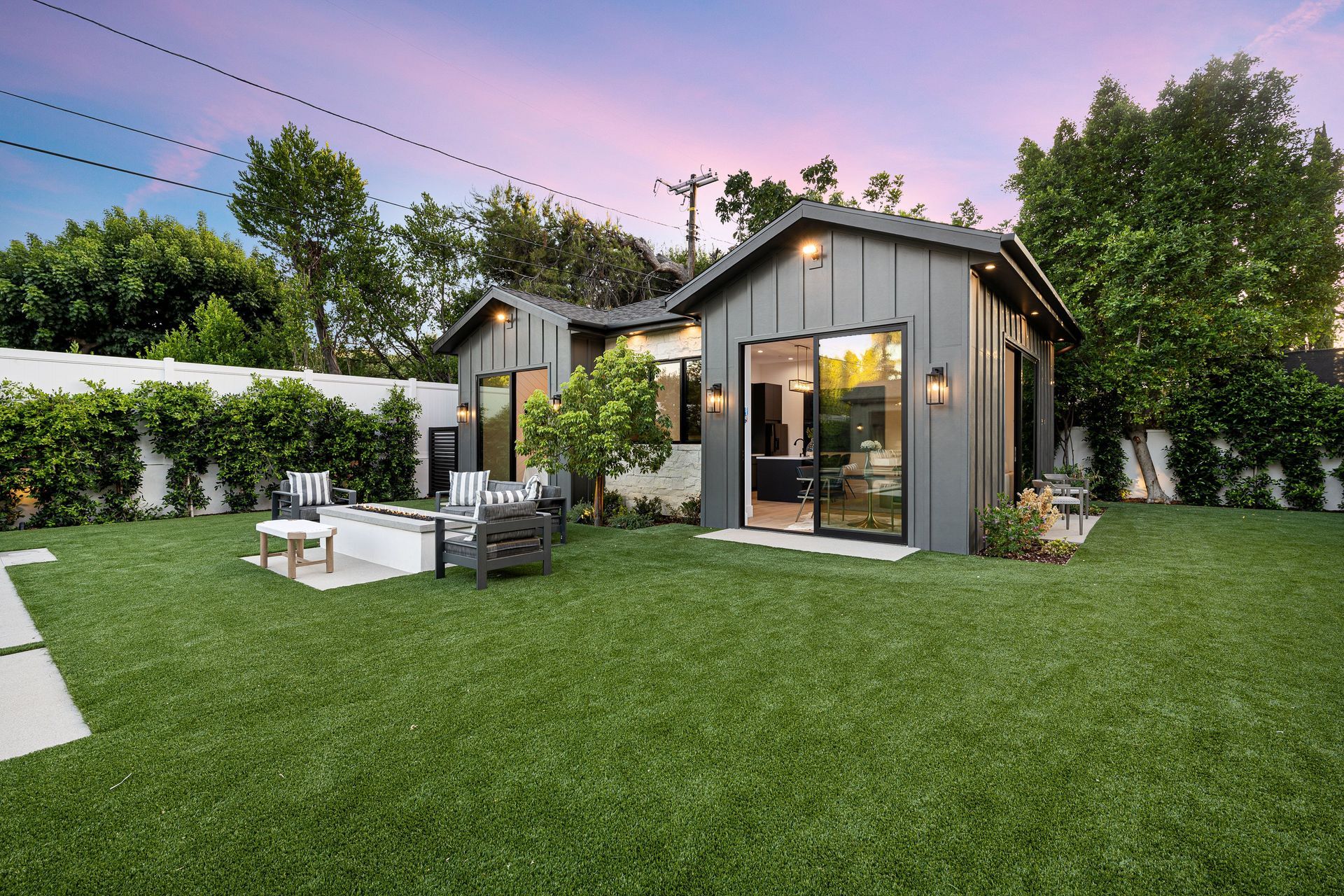
How an ADU Changes What Your Property Can Do
An ADU is one of the few projects that changes what your property can do, not just how it looks.
Rental Income From Land You Already Own
A permitted unit generates income for as long as you own the property, on space you are not using.
Room for Family Without Losing Your Home
A place for aging parents, adult children, or a true home office, without anyone sharing a kitchen.
California's Rules Now Favor Homeowners
Current state law removed many of the restrictions that used to make ADUs difficult to build here.
A Permitted, Appraisable Asset
Legal square footage shows up in appraisals and listings, adding documented value to your property.
How We Build Your ADU
A clear process built around the part of an ADU project that matters most, the permitting.
Feasibility and Lot Assessment
We review your setbacks, utility locations, and existing structures to confirm exactly what your lot allows.
Design and Permit Filing
Plans drawn to satisfy both state and local requirements, then filed with a defined approval timeline.
Site Work and Construction
Foundation, framing, and utility connections, coordinated to keep the build moving on a predictable schedule.
Inspections and Final Approval
Inspections through rough and final, ending with the certificate that makes your unit legal to occupy.
Life With a Completed ADU
An ADU adds real, usable value in a way most renovations cannot match.
A Space That Feels Like Its Own Home
A private entrance, its own utilities, and a layout that gives everyone real independence.
Options That Grow With You
Rent it out or bring family in tomorrow, without any construction needed to change its use.
ADU Questions From North Bay Homeowners
State ADU law has changed significantly in recent years, and these answers reflect the current rules.
Do I have to live on the property to build an ADU?
No, in most cases. California permanently removed the owner occupancy requirement for standard ADUs, meaning a city cannot require you to live in either the main home or the ADU as a condition of approval. Junior ADUs are the one exception, and only when the junior unit shares a bathroom with the main house.
How big can my ADU be?
At least 800 square feet, guaranteed by state law regardless of local lot coverage rules. Cities cannot cap a studio or one bedroom unit below 850 square feet, or a two bedroom or larger unit below 1,000. Detached units can reach 1,200 square feet on most single family lots, with four foot side and rear setbacks.
Is my lot big enough for an ADU?
Almost certainly, yes. California bans cities from setting any minimum lot size requirement for ADUs, and cities also cannot use lot coverage, floor area, or setback rules to block you from building at the guaranteed minimum size. Lots that look too small often turn out to work fine once someone actually studies them.
How long does ADU approval take?
Around 60 days, once your application is complete. Local agencies must confirm within 15 business days whether your application is complete, then approve or deny it within 60 days after that. Many cities also offer pre-approved plan sets that move even faster.
Curious What Your Lot Actually Allows?
Most homeowners are pleasantly surprised. A site visit answers the question in an afternoon.
Find Out What You Can Build
Send us your address and we will tell you what state law guarantees on your specific parcel.
✓ Current on California ADU law
✓ Permit filing handled for you
✓ Conversions and new construction
✓ Utility planning included upfront
Request an ADU Consultation
Contact Us
We will get back to you as soon as possible.
Please try again later.